

What Is the Difference Between Phosphor Bronze Wire Mesh and Pure Copper Wire Mesh
Copper wire mesh is widely used in industrial filtration, screening, electromagnetic shielding, electrical applications, and architectural decoration. Among the various types of copper mesh available on the market, phosphor bronze wire mesh and pure copper wire mesh are two commonly used materials.
Although both materials are copper-based and share several similar characteristics, they differ significantly in chemical composition, mechanical strength, electrical conductivity, corrosion resistance, and application suitability.
1. What Is Phosphor Bronze Wire Mesh?
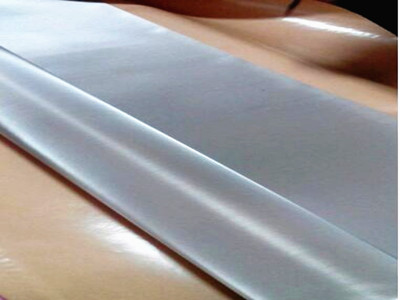
Phosphor bronze wire mesh is a woven metal mesh manufactured from phosphor bronze alloy wire. It is a copper-based alloy that typically contains copper, tin, and a small amount of phosphorus.
The tin content generally ranges from approximately 3.5% to 9%, depending on the alloy grade, while the phosphorus content is commonly between 0.03% and 0.35%.
Phosphorus acts primarily as a deoxidizing agent during alloy production and also influences the mechanical properties of the material. Tin contributes to improved strength, hardness, wear resistance, and corrosion resistance.
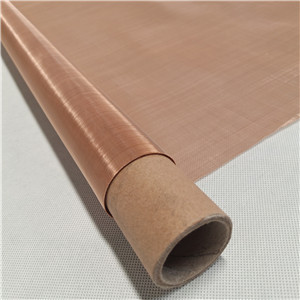
Key Characteristics of Phosphor Bronze Wire Mesh
High mechanical strength
Good corrosion resistance
Excellent wear resistance
Good dimensional stability
Good flexibility and workability
Moderate electrical conductivity
2. What Is Pure Copper Wire Mesh?
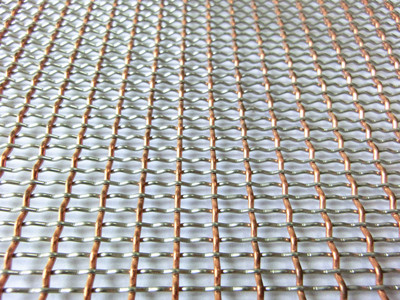
Pure copper wire mesh, also known as copper wire cloth or red copper wire mesh, is manufactured from high-purity copper wire.
Commercially pure copper grades typically contain at least 99.90%
Pure copper is one of the most widely used non-ferrous metals because of its outstanding electrical conductivity, thermal conductivity, corrosion resistance, and workability.
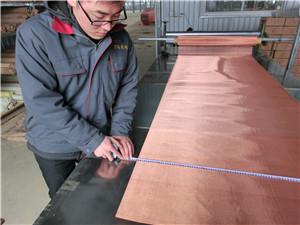
Key Characteristics of Pure Copper Wire Mesh
Excellent electrical conductivity
High thermal conductivity
Good corrosion resistance
Excellent flexibility
High copper purity
Relatively low mechanical strength
3.Phosphor Bronze Wire Mesh and Pure Copper Wire Mesh Comparison
The following table summarizes the major differences between these two materials.
Comparison | Phosphor Bronze Wire Mesh | Pure Copper Wire Mesh |
Main composition | Copper, tin, phosphorus | High-purity copper |
Electrical conductivity | Relatively low | Excellent |
Thermal conductivity | Lower than pure copper | Excellent |
Tensile strength | Generally higher | Generally lower in annealed condition |
Hardness | Generally higher | Relatively soft |
Flexibility | Good | Excellent |
Wear resistance | Good to excellent | Relatively low |
Corrosion resistance | Good to excellent in many environments | Good in normal atmospheric environments |
Dimensional stability | Generally better under mechanical stress | More easily deformed |
Common applications | Industrial filtration, screening, electronic components | EMI shielding, grounding, electrical applications, filtration |
Main advantage | Strength and durability | Electrical and thermal conductivity |
4. Applications of Phosphor Bronze Wire Mesh
4.1 Industrial Filtration and Screening
It can be used for:
Industrial liquid filtration.
Chemical solution filtration.
Precision particle screening.
Industrial sieving.
Separation of solid particles from liquids.
Filtration equipment and filter components.
4.2 Electronics and Electromagnetic Shielding
Typical applications include:
Electrical contact components.
Electronic connectors.
Protective mesh components.
Selected electromagnetic shielding structures.
4.3 Chemical and Petrochemical Industries
Common applications include:
Chemical liquid filtration.
Industrial raw material screening.
Separation of solid impurities.
Process filtration equipment.
Chemical processing systems.
4.4 Architectural Decoration and Protective Applications
Common applications include:
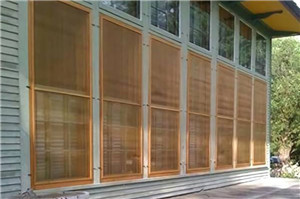
Decorative metal screens.
Architectural partitions.
Interior decorative panels.
Protective mesh structures.
Building facade elements.
Decorative metalwork.
5. Applications of Pure Copper Wire Mesh
5.1 Electromagnetic Interference (EMI) Shielding
One of the most important applications of pure copper wire mesh is electromagnetic shielding.
Copper wire mesh can be incorporated into shielding structures to help reduce electromagnetic interference (EMI) and radio-frequency interference (RFI).
Typical applications include:
Electronic equipment enclosures.
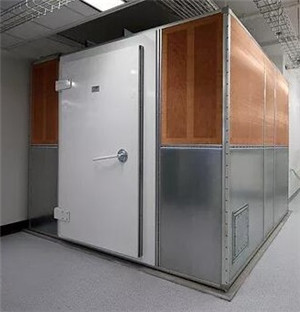
Shielded rooms.
Communication equipment.
RF shielding structures.
Electronic instrument protection.
Industrial electromagnetic shielding systems.
5.2 Electrical and Grounding Applications
Potential applications include:
Grounding and bonding components.
Electrical shielding layers.
Conductive mesh structures.
Electrical equipment protection.
5.3 Electronic Equipment and Heat Management
Potential applications include:
Electronic equipment thermal management.
Heat-transfer elements.
Conductive thermal interfaces.
Ventilation and protective mesh components.
Specialized cooling assemblies.
5.4 Architectural and Decorative Applications
It can be used for:
Interior decorative panels.
Decorative partitions.
Cabinet inserts.
Artistic metal screens.
Architectural design features.
Customized decorative mesh products.
Frequently Asked Questions
What is the main difference between phosphor bronze wire mesh and copper wire mesh?
The main difference is their chemical composition and resulting physical properties.
Phosphor bronze wire mesh is made from a copper-tin-phosphorus alloy, offering higher mechanical strength, hardness, and wear resistance.
Pure copper wire mesh contains a much higher percentage of copper and provides excellent electrical and thermal conductivity.
Is phosphor bronze stronger than pure copper?
Generally, yes.
Phosphor bronze typically has higher tensile strength, hardness, and fatigue resistance than annealed pure copper.
Which has better electrical conductivity, phosphor bronze or pure copper?
Pure copper has significantly higher electrical conductivity.
Can pure copper wire mesh be used for electromagnetic shielding?
Yes.
Pure copper wire mesh is widely used in electromagnetic and radio-frequency shielding applications because of its excellent electrical conductivity.
Can copper wire mesh be customized?
Yes.
Copper wire mesh and phosphor bronze wire mesh can be manufactured in different specifications according to customer requirements.
Looking for high-quality phosphor bronze wire mesh or pure copper wire mesh?
Contact our team to discuss your application and technical requirements. We can help you select suitable materials, mesh counts, wire diameters, opening sizes, and weaving specifications for your project.
Request a quotation today and let us help you find the right wire mesh solution for your industrial application.